
Article
Baby development and the impact of milk allergies
Milk allergies can potentially impact certain aspects of baby development. Especially in relation to growth, nutrition, and overall well-being. Whether it’s breastmilk or formula,…
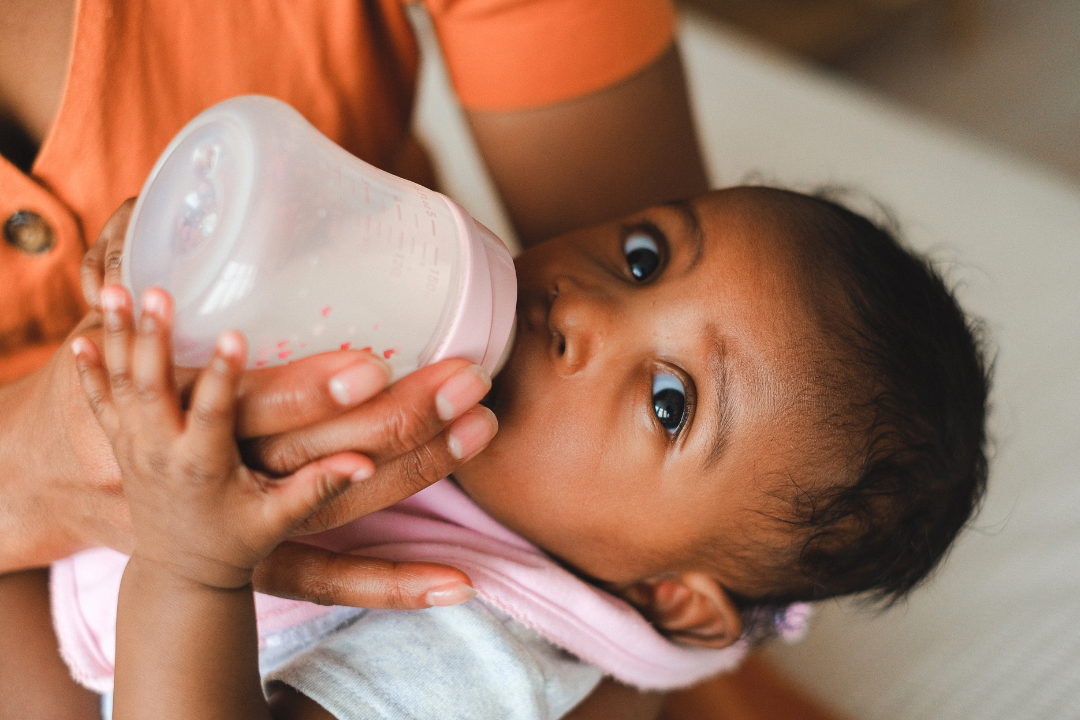
Milk allergies can potentially impact certain aspects of baby development. Especially in relation to growth, nutrition, and overall well-being. Whether it’s breastmilk or formula, babies get most of their nutrients from milk until they start weaning onto solid foods. So, it can be worrying if you suspect that your baby could be suffering from milk allergy or lactose intolerance.
In my clinical practice as an Occupational Therapist, I specialised in fussy babies with sleep and/or feeding problems. The question of milk allergies and lactose intolerance came up often for parents whose babies were struggling to thrive. In this article, we will cover everything you need to know about milk allergies in babies and how to cope with it. But first things first, let’s distinguish the difference between a milk allergy and lactose intolerance.
What is the difference between lactose intolerance and milk allergy?
While sometimes used interchangeably because both conditions involve an adverse reaction to milk, lactose intolerance and milk allergy are different conditions. They each involve different aspects of the body’s response to milk consumption. Lactose intolerance is a digestive disorder, while milk allergy is an immune system response. It’s crucial to understand the difference to manage each condition appropriately.
Lactose intolerance is the inability to digest lactose because of the insufficient production of the enzyme lactase. Lactase is responsible for breaking down lactose (a sugar found in milk and other dairy products) into simpler sugars that can be easily absorbed by the body. The result is that undigested lactose ferments in the gut, leading to uncomfortable symptoms like bloating, diarrhoea, and abdominal pain.
Milk allergy is an immune system response to the proteins present in milk, most commonly casein and whey. This means that when milk or milk products are consumed, the body’s immune system recognises these proteins as harmful invaders. The body reacts by releasing antibodies, such as immunoglobulin E (IgE). This immune response triggers a range of symptoms, including hives, wheezing, vomiting, and even anaphylaxis – a severe and potentially life-threatening allergic reaction.
Can a baby develop a milk allergy?
Yes, babies can develop a milk allergy. The exact cause of why some babies develop a milk allergy is not fully understood. However, there are several factors that may contribute to its development, such as genetic predisposition, immune system sensitisation and leaky gut syndrome. There are a number of types of milk allergy but the most prevalent is cow’s milk protein allergy or CMPA. Cow’s milk protein allergy is one of the most common food allergies in infants and young children. Most children grow out of it as they get older.
It’s important to note that it’s very rare for a baby to develop an allergy to breastmilk. Only a small percentage of babies are allergic to food allergies passed in your breastmilk. More about this later.
Common types of milk allergies in infants
We’ve discussed that cow’s milk protein allergy or CMPA is the most common milk allergy but there are also other types of milk allergies that can occur in infants. Here are the common types:
IgE-Mediated Milk Allergy
This is the most common type of milk allergy in infants. It occurs when the immune system produces an allergic antibody called immunoglobulin E (IgE) in response to milk proteins. IgE-mediated milk allergy typically presents with immediate allergic reactions after consuming milk or milk products.
Non-IgE-Mediated Milk Allergy
This type of milk allergy does not involve the production of IgE antibodies. Instead, it is a delayed allergic reaction that occurs several hours or even days after consuming milk or milk products. Non-IgE-mediated milk allergy can cause symptoms such as gastrointestinal issues (e.g., vomiting, diarrhea, blood in stool), skin problems (e.g., eczema), and respiratory symptoms.
Lactose Intolerance
While not technically a milk allergy, lactose intolerance is worth mentioning as it is a common condition in which infants have difficulty digesting lactose. Symptoms of lactose intolerance can be similar to milk allergies and include bloating, gas, diarrhea, and abdominal pain.
It’s important to consult a healthcare professional to determine the specific type of milk allergy your infant may have.
Signs and symptoms of milk allergies in babies
Milk allergies can cause a wide range of symptoms that can vary in severity. Symptoms typically occur shortly after consuming milk or milk products. Here are some common symptoms of cow’s milk allergy:
Digestive Symptoms:
- Abdominal pain
- Diarrhoea
- Vomiting
- Nausea
- Blood or mucus in the stool
- Poor weight gain or growth in infants
Skin Symptoms:
- Hives (red, itchy bumps on the skin)
- Eczema (red, dry, itchy, and inflamed skin)
- Swelling, particularly of the lips, face, tongue, or throat (angioedema)
Respiratory Symptoms:
- Runny or stuffy nose
- Sneezing
- Coughing
- Wheezing
- Shortness of breath
- Chest tightness
Oral Symptoms:
- Itchy mouth or throat
- Swelling of the lips or tongue
- Tingling sensation in the mouth
Generalised Symptoms:
- Colic-like symptoms in infants (excessive crying, irritability)
- Fussiness or irritability
- Poor appetite
- Fatigue
- Difficulty sleeping
- Failure to thrive in infants
In severe cases, milk allergies can lead to a life-threatening allergic reaction called anaphylaxis. Anaphylaxis is a medical emergency and requires immediate medical attention. Symptoms of anaphylaxis may include difficulty breathing, rapid pulse, drop in blood pressure, dizziness, loss of consciousness, and swelling of the throat, which can impair breathing.
It is important to note that these symptoms can also be caused by other conditions, so a proper diagnosis by a healthcare professional is crucial. If you suspect your child has a cow’s milk allergy, consult with a healthcare professional for evaluation, diagnosis, and appropriate management strategies.
The relationship between baby development and milk allergies
We’ve already talked about the fact that your baby survives on breastmilk alone, at least for the first 4 – 6 months before they start weaning. Milk is integral to a baby’s growth and development so if your baby is fed using formula that contains cow’s milk to cow’s milk products, it can have a negative affect on their development. Here’s how milk allergies may intersect with different stages of baby development:
Newborn Stage
In the newborn stage, milk allergies can manifest through symptoms like excessive crying, colic, reflux, or skin rashes. These symptoms can affect your baby’s comfort and sleep patterns. It can also potentially impact their ability to establish healthy feeding patterns.
Infant Stage
Milk allergies during the infant stage can affect a baby’s growth and nutrition. If your baby is diagnosed with a milk allergy, you will need to find appropriate milk alternatives or hypoallergenic formulas to ensure they get adequate nutrition for healthy development.
Crawling and Cruising Stage
Milk allergies don’t directly impact a baby’s physical milestones such as crawling or cruising. However, severe allergic reactions or chronic discomfort from symptoms like eczema or gastrointestinal issues can cause irritability, restlessness, or disrupted sleep patterns. This can indirectly affect a baby’s exploration and motor development.
Toddler Stage
As babies reach a year old, most toddlers can move onto cow’s milk if they don’t have an allergy. If they do have a milk allergy, it’s crucial to manage their condition for proper nutrition and growth. Toddlers with milk allergies need to avoid milk and dairy products. Suitable milk substitutes should be incorporated into their diet to ensure they receive essential nutrients. It’s important to work with a healthcare professional or a registered dietitian to develop a well-balanced diet plan that meets their nutritional needs.
Speech and Language Development
Milk allergies do not have a direct impact on speech and language development. However, if a baby experiences discomfort or other symptoms due to milk allergies, it may indirectly affect their ability to focus, engage, or participate in language-related activities. Addressing and managing the milk allergy effectively can help create a more comfortable environment for language development.
Motor Skills Development
As mentioned above, milk allergies do not directly affect the acquisition of motor skills. However, if a baby experiences symptoms such as gastrointestinal issues or skin discomfort due to milk allergies, it may impact their overall comfort, energy levels, and engagement in physical activities. Managing the milk allergy can contribute to a more optimal environment for motor skills development.
Remember that while milk allergies can impact certain aspects of development, babies with milk allergies can still achieve their developmental milestones and thrive with proper management and support.
Can I still breastfeed my baby who has a milk allergy?
If your baby has been diagnosed with a milk allergy, it is important to consult with a healthcare professional to determine the most appropriate course of action. In some cases, breastfeeding may still be possible, while in other cases, it may be necessary to make specific dietary changes.
If your baby has a milk allergy, it means they are allergic to the proteins found in cow’s milk and possibly other dairy products. These proteins can pass into breast milk, potentially causing an allergic reaction in your baby. Symptoms of a milk allergy can range from mild to severe and may include skin rashes, hives, digestive issues, respiratory problems, and even anaphylaxis.
Here are some considerations regarding breastfeeding and a milk-allergic baby:
Elimination Diet:
If your baby has a confirmed milk allergy, your healthcare professional may recommend eliminating all sources of dairy from your diet. This means avoiding cow’s milk, cheese, yogurt, butter, and other dairy products. By eliminating these foods, you can minimize the transfer of cow’s milk proteins into your breast milk.
Nutritional Support:
When eliminating dairy from your diet, it’s important to ensure you’re still getting adequate nutrition for both yourself and your baby. A healthcare professional or registered dietitian can guide you in creating a well-balanced diet that meets your nutritional needs while avoiding dairy.
Breast Milk Substitutes:
In some cases, if the milk allergy is severe or elimination of dairy from your diet is not feasible, your healthcare professional may recommend switching to a hypoallergenic formula that is suitable for infants with milk allergies. These formulas are designed to provide complete nutrition and are made with proteins that are less likely to trigger an allergic reaction.
It is essential to work closely with your healthcare professional to determine the best approach for feeding your baby if they have a milk allergy. They will consider the severity of the allergy, the age of your baby, and individual circumstances to provide appropriate guidance and support. Remember, breastfeeding is not always feasible or recommended in cases of severe milk allergies, but healthcare professionals can provide the necessary guidance to ensure your baby receives proper nutrition and care.
Introducing solid foods to babies with milk allergies
When introducing solid foods to babies with milk allergies, it’s essential to be cautious and take appropriate measures to ensure their safety and nutritional needs. Here are some considerations for introducing solids to babies with milk allergies:
Consult with a Healthcare Professional
Before starting solid foods, consult with your baby’s paediatrician or an allergist who can provide guidance based on your baby’s specific needs and medical histo
Want this kind of guidance daily?
The Parent Sense app turns expert guidance into a plan built around your own child.